

Prevent Backflow With Regular Backflow Testing
Backflow, the unwanted reversal of contaminated water into the clean drinking supply, poses a serious threat to public health. Fortunately, there’s a vital defense: backflow prevention devices. However, it’s crucial to routinely test them to ensure they remain operational. This blog will discuss what backflow is, what backflow testing is, and the importance of routine backflow testing to safeguard the water supply.
What Is Backflow?
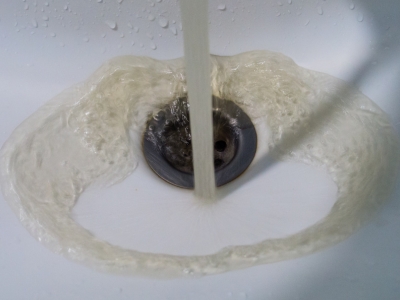 Backflow in plumbing refers to the unwanted reversal of water flow. It can occur due to changes in water pressure, such as a sudden drop in supply pressure, backsiphonage, or an increase in the non-potable side of a cross-connection, backpressure. Essentially, it’s when contaminated water flows backward into the pipes intended for clean drinking water.
The dangers of backflow are significant, as it can introduce hazardous substances into public and private water supplies. These contaminants can range from chemicals and fertilizers to human waste and bacteria, posing serious health risks, including illness and disease. Protecting against backflow is crucial for public health and safety, ensuring that drinking water remains clean and free from harmful impurities.
What Is Backflow Testing?
Backflow testing is a crucial procedure that ensures backflow preventers are functioning properly. These backflow prevention devices are installed to stop contaminated water from entering the potable water supply. During a backflow test, a certified technician uses specialized equipment to check internal components, verifying that they can effectively prevent backpressure and backsiphonage events. This process involves isolating the device and applying pressure to determine if the check valves and relief valves are holding properly and operating within manufacturer specifications.
Annual backflow testing is essential for maintaining the integrity of the water supply. Over time, backflow prevention devices can wear out, accumulate debris, or become damaged due to various factors like water pressure fluctuations, extreme temperatures, or chemical exposure. Regular testing ensures that any malfunctions or problems are identified and fixed promptly, preventing potential contamination before it occurs.
The Importance of Routine Backflow Testing
 Routine backflow testing is beneficial for ensuring the safety and integrity of a potable water system. The primary benefit of this testing is that it verifies backflow preventers are functioning correctly, preventing contaminated water from reversing flow into the clean water supply. By helping to prevent water contamination, it safeguards public health. Contaminated water can carry a range of harmful substances, which can cause serious illnesses. By ensuring backflow prevention devices are effective, routine backflow testing plays a vital role in protecting public health and maintaining a clean, safe water supply.
Another advantage of backflow testing is that it helps prevent damage to the plumbing infrastructure by identifying and addressing potential issues before they escalate. Routine testing also ensures compliance with local and national plumbing codes and regulations, which often mandate annual testing for these critical safety devices.
About Southside Plumbing
Southside Plumbing is a family-owned and operated company serving Omaha and the surrounding areas. They offer free estimates, on-time services, and the latest technology. Call them for backflow prevention services in Omaha, NE.
)
Distribution Links +
- https://smb.bogalusadailynews.com
- https://smb.orangeleader.com
- https://smb.panews.com
- https://smb.picayuneitem.com
- https://smb.lobservateur.com
- https://smb.alexcityoutlook.com
- https://smb.americustimesrecorder.com
- https://smb.atmoreadvance.com
- https://smb.americanpress.com
- https://smb.dailyleader.com
- https://smb.bluegrasslive.com
- https://smb.claiborneprogress.net
- https://smb.leaderpub.com
- https://smb.troymessenger.com
- https://smb.clemmonscourier.net
- https://smb.gatescountyindex.com
- https://smb.harlandaily.com
- https://smb.irontontribune.com
- https://smb.state-journal.com
- https://smb.thecoastlandtimes.com
- https://smb.theinteriorjournal.com
- https://smb.tryondailybulletin.com
- https://smb.farmvilleherald.com
- https://smb.shelbycountyreporter.com
- https://smb.thewashingtondailynews.com
- https://smb.thewetumpkaherald.com
- https://smb.cordeledispatch.com
- https://smb.lagrangenews.com
- https://smb.middlesboronews.com
- https://smb.tallasseetribune.com
- https://smb.valleytimes-news.com
- https://smb.lowndessignal.com
- https://smb.theleesvilleleader.com
- https://smb.prentissheadlight.com
- https://pr.chestercounty.com
- https://pr.wncbusiness.com
- https://pr.norwoodtownnews.com
- https://pr.hopedaletownnews.com
- https://pr.franklintownnews.com
- https://pr.norfolkwrenthamnews.com
- https://pr.omahamagazine.com
- https://pr.hollistontownnews.com
- https://pr.herrimanjournal.com
- https://pr.holladayjournal.com
- https://pr.mysugarhousejournal.com
- https://pr.midvalejournal.com
- https://pr.sandyjournal.com
- https://pr.draperjournal.com
- https://pr.murrayjournal.com
- htv10.tv
- central.newschannelnebraska.com
- metro.newschannelnebraska.com
- southeast.newschannelnebraska.com
- northeast.newschannelnebraska.com
- plattevalley.newschannelnebraska.com
- panhandle.newschannelnebraska.com
- rivercountry.newschannelnebraska.com
- lifestyle.bryancountymagazine.com